Thrive at Home

A developing initiative on the practical, everyday things that decide whether an older adult gets to stay in their own home.

One question

Thrive at Home asks what it would take for more older adults to remain safely, independently, and meaningfully in the homes and communities they already know.

Most of what threatens that is not medical. A ride to an appointment, a small home repair, help with a phone, a safety concern, companionship, access to local help you can trust, or simply somebody dependable to call. Any one of them can decide the question.

So we are exploring practical ways to connect those needs to the strengths a community already has: neighbors, volunteers, churches, civic groups, local businesses, healthcare organizations, retired professionals, and anyone else willing and able to help.
Thrive at Home is not a home care agency, a referral service, or a direct service program. We are listening, building partnerships, and testing what works.

Who it is for

Older adults who want to keep living in their own homes and communities but run into practical barriers: transportation, home safety, technology, household tasks, staying connected, or finding their way to resources that already exist.

It matters most where family lives at a distance, or where the informal support network around somebody has thinned out over the years.

It is also meant to help families and caregivers, by making the community itself a stronger part of the support around an older adult. The goal is not simply that somebody stays at home. It is that they go on thriving there, with dignity, purpose, relationships, and as much independence as possible.

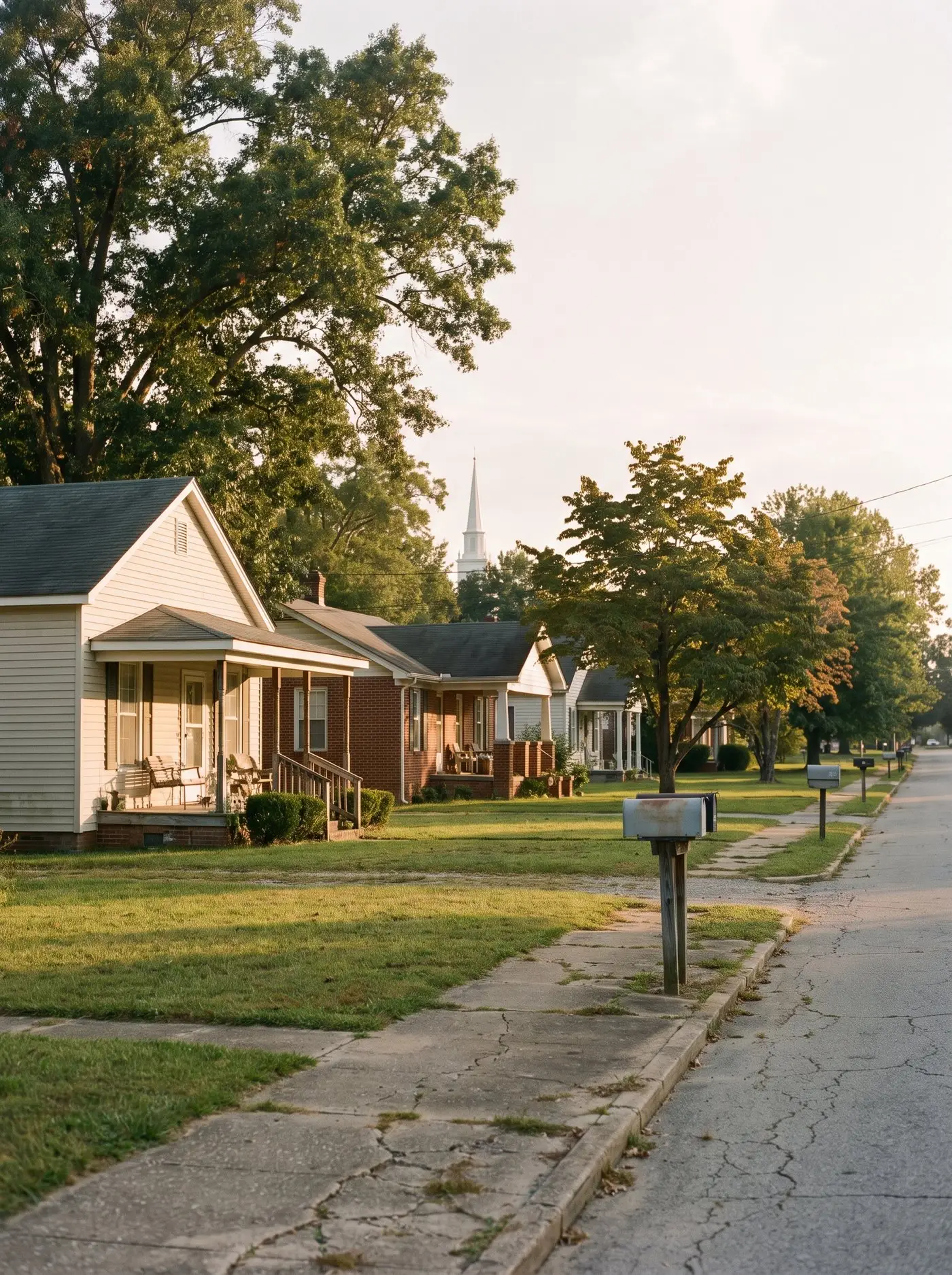
A quiet street of modest single story houses with front porches and mailboxes in late afternoon light, a church steeple in the distance

What gets in the way

Transportation to appointments, errands, or community activities

Minor home maintenance and safety needs

Phones, computers, and online services that have stopped making sense

Social isolation and the loss of regular human contact

Mobility, hearing, and other practical barriers to ordinary days

Difficulty finding local help you can actually trust

Family who want to help but live too far away to manage day to day

Community resources that exist but are scattered and poorly connected

Healthcare can treat illness. It cannot by itself supply the relationships, practical help, purpose, and connection that let somebody stay at home. We think many communities can close that gap by organizing what they already have, rather than building an entirely new service system.

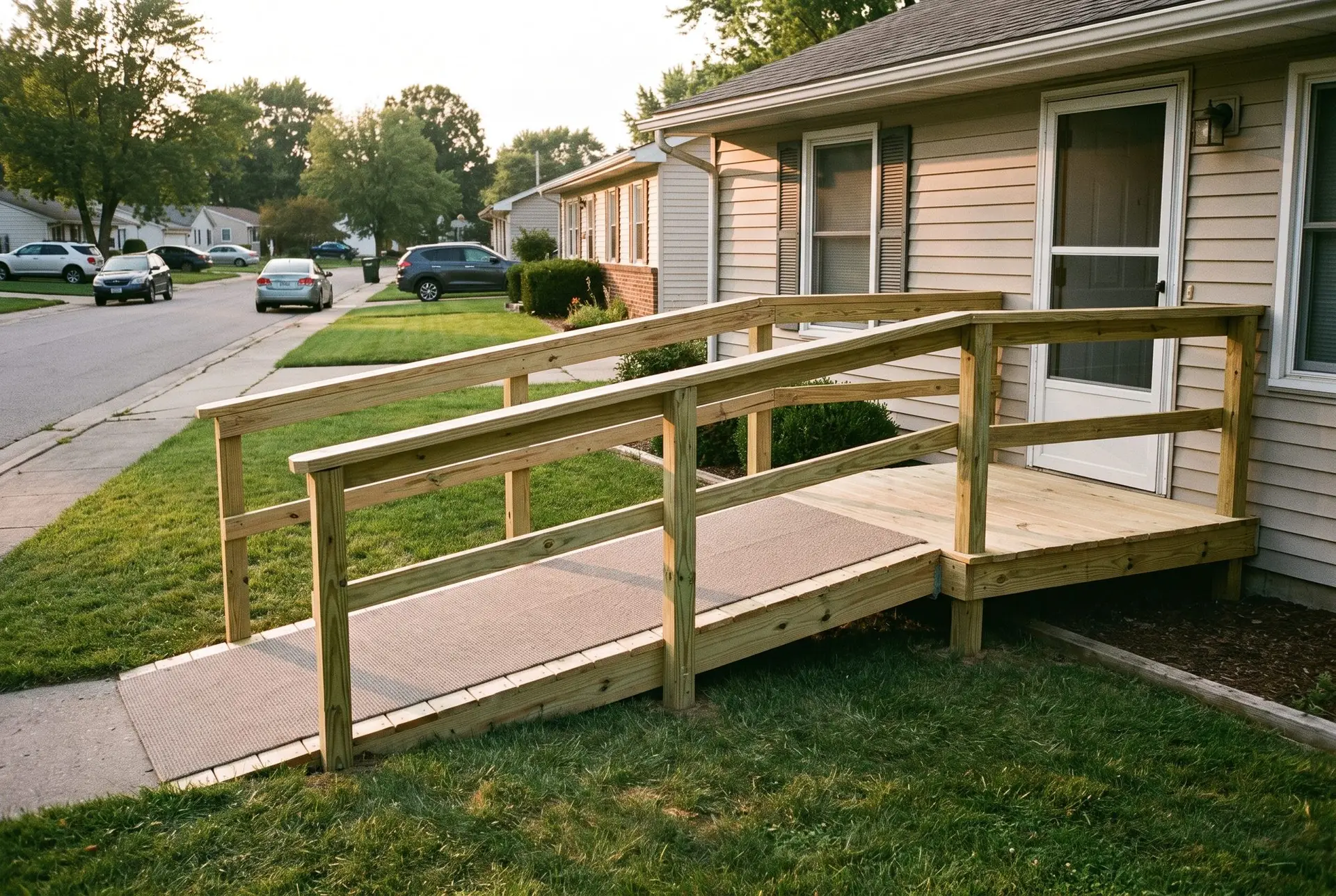
A newly built wooden accessibility ramp with handrails leading to the front door of a single-story home

What we would fund

We want to seed strong local ideas that turn community goodwill into practical help: transportation, home safety, minor repairs, technology assistance, companionship, social connection, caregiver support, and clear routes to trusted local resources.

We would rather fund services and direct community impact than administrative expansion, overhead, or build-out. We are most interested in ideas that can show value quickly, learn from what happens, and grow into something durable and locally owned.

Where

Our roots are in Texas, Oklahoma, and Arkansas, and an early area of interest is Hot Springs Village, Arkansas, where a large older-adult population, an active volunteer culture, established community organizations, local businesses, healthcare resources, and a deep bench of resident expertise make it a realistic place to test community-based approaches.

The quality of the idea, the strength of the local leadership, and the potential for lasting impact matter more to us than a boundary on a map.

Who we want to hear from

Highly motivated people and organizations with a clear desire to serve and to make a measurable difference where they live. Churches, civic organizations, volunteer groups, healthcare and senior-serving organizations, local businesses, retired professionals, community foundations, schools, neighborhood groups, and individual community leaders.

The strongest partners bring more than a funding request. They bring local knowledge, relationships, credibility, energy, accountability, and a willingness to help build the solution. We are especially interested in leaders who see an unmet need, understand their community, and are ready to own the work of turning a good idea into something that lasts.

A clearly identified need

The proposal addresses a specific community need affecting older adults and their ability to remain independent and connected at home.

Funding that reaches people

Foundation money goes primarily to services, participants, and measurable impact rather than administration, facilities, or organizational expansion.

Committed local leadership

Somebody local has a genuine service orientation and the ability to carry the idea out themselves.

Use what is already there

Existing community resources and partnerships are used wherever practical, rather than duplicating services that already exist.

A real way to tell if it works

There is a realistic plan for measuring whether the project is helping people, and a willingness to report what it finds.

A path that does not end with us

There is a credible route to long-term sustainability through community support, earned revenue, sponsorship, volunteers, or recurring local funding.

We are glad to provide catalytic funding to help a worthy idea get started. The goal is lasting community capacity, not lasting dependence on Foundation grants.

Tell us about your community

The inquiry form takes a while, on purpose. It asks what we would need to know to have a serious conversation. There is no deadline and no committee cycle.